
Blog • Garage door guides
The Essential Garage Door Maintenance Checklist
Your garage door is the largest moving part of your home, cycling up and down hundreds of times a year. A little routine maintenance goes a long way - most major failures give warning signs months in advance that a simple checklist would catch.
This checklist is designed for Atlanta homeowners and takes about 20 minutes per season. Anything involving springs, cables, or the opener's internal parts should be left to a professional, but everything here is safe for a homeowner to check.
Visual inspection: what to look for
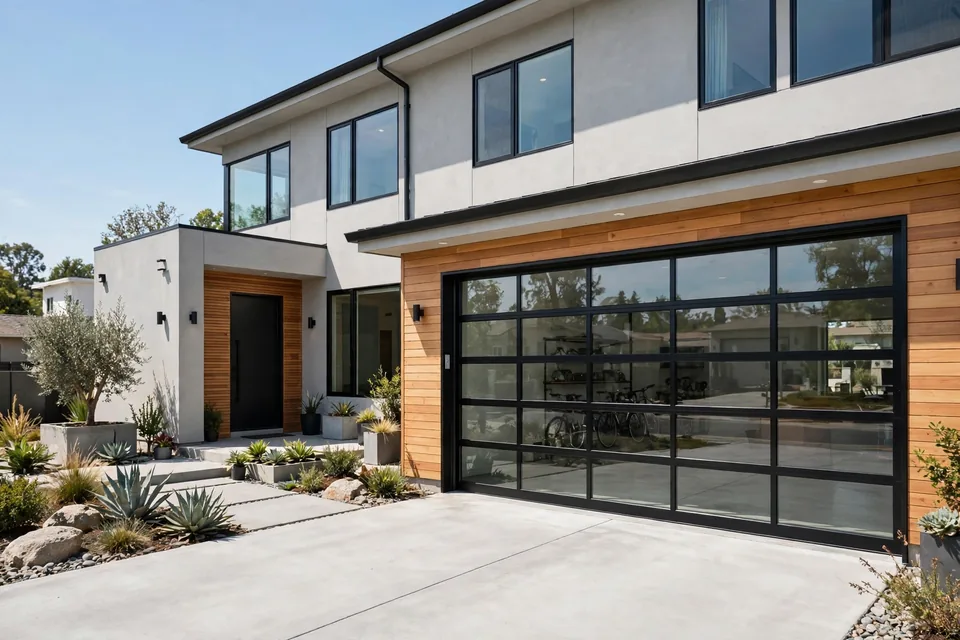
With the door closed, look over the springs, cables, rollers, and tracks. Watch for frayed or rusted cables, cracked or chipped rollers, bent track sections, and gaps in the weather seal along the bottom and sides. Atlanta's humidity can accelerate rust on older hardware, so pay extra attention after wet seasons.
Also check the door panels themselves for dents, warping, or peeling paint - cosmetic issues now can become structural ones later if moisture gets in.
- Frayed, rusted, or slack cables
- Cracked, worn, or noisy rollers
- Bent or misaligned track sections
- Worn bottom seal or side weatherstripping
- Loose bolts on hinges and brackets
Lubricate the moving parts
Apply a silicone-based or garage-door-specific lubricant to the hinges, roller bearings, and springs - never use heavy grease, which attracts dirt, or WD-40 as a long-term lubricant. A light coat on the torsion spring coils reduces friction noise, and a pass along the tracks (wiped, not soaked) keeps rollers gliding.
Do this at least twice a year in Atlanta, where pollen and humidity cake onto hardware quickly. If squeaking persists after lubrication, worn parts may need replacing.
Test balance and safety features
Disconnect the opener with the emergency release cord and lift the door manually to the halfway point - it should stay in place. If it falls or shoots up, the springs need professional adjustment. Reconnect the opener, then test the auto-reverse: place a roll of paper towels under the door and close it. The door should reverse on contact.
Also test the photo-eye sensors by waving an object between them while closing - the door should stop and reverse. These two tests protect kids, pets, and cars, so run them every season.
When to book a professional tune-up
If your checklist turns up frayed cables, a door that won't stay balanced, grinding noises, or sensors that won't align, it's time for a pro. A professional tune-up typically includes a full hardware tightening, spring tension check, opener force adjustment, and lubrication of every moving part.
Call (678) 940-0457 and we'll connect you with a local Atlanta technician for a thorough tune-up - often the same week you call.
In Atlanta specifically, ask the technician to pay attention to humidity-driven rust on the bottom brackets and cable drums, and to clear pollen buildup from the photo-eye sensors - two local issues behind a disproportionate share of service calls here. A good tech will also check how the bottom seal meets the floor, since our clay soil shifts seasonally and can open small gaps under the door. Mention any new noises you've noticed, even minor ones; what sounds trivial to you often tells a technician exactly where to look, saving diagnostic time.
Need a pro for this?
Reading helps — but most of these jobs are faster (and safer) in professional hands. Atlanta Garage Door Pros connects you with a local specialist: call (678) 940-0457 for a free estimate.